
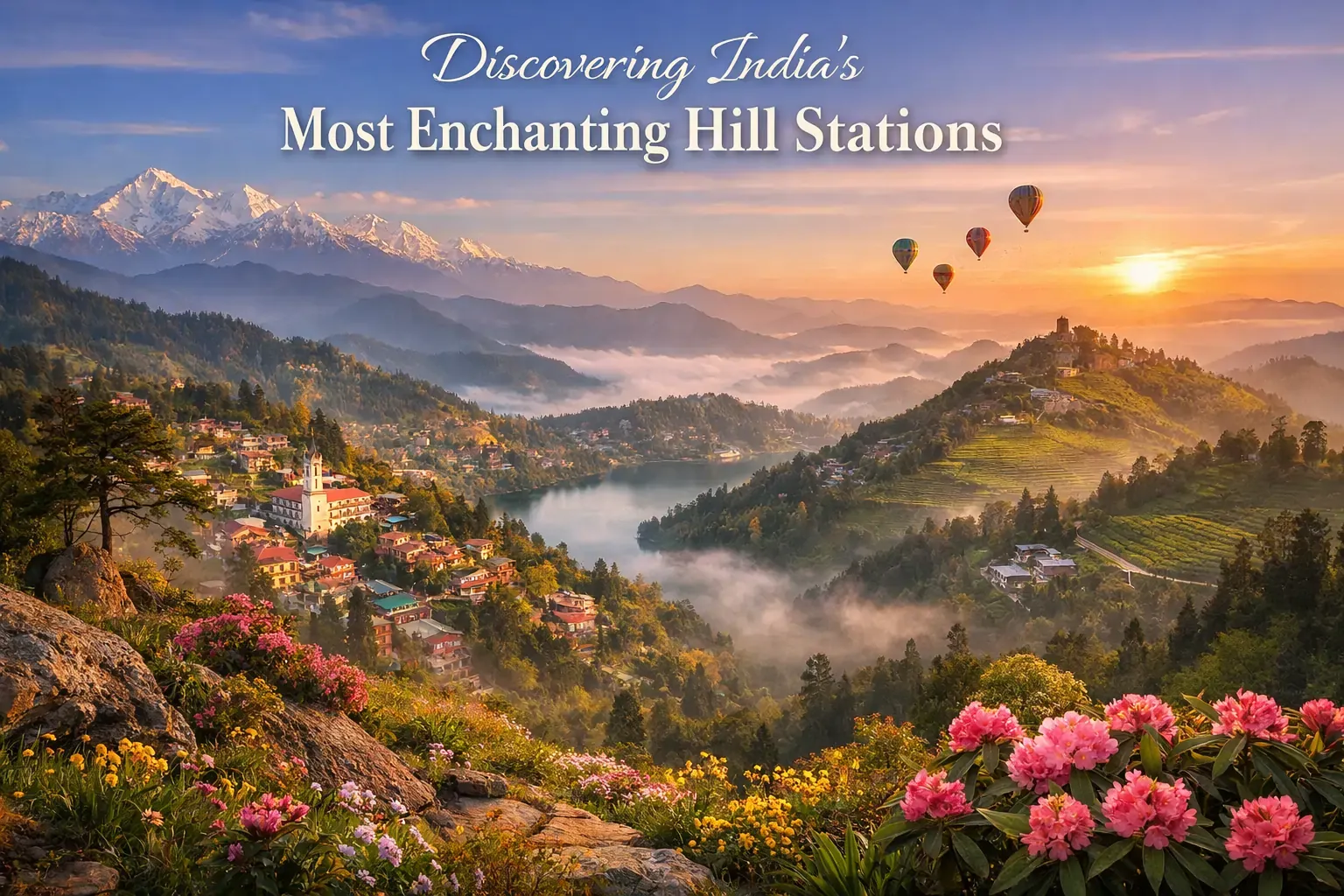

India’s hill stations offer something that crowded cities often cannot: cooler weather, quieter surroundings, mountain views, forests, lakes, and a slower pace of life. From the snow-covered landscapes around Manali and Shimla to the tea plantations of Munnar and Ooty, each destination has its own personality.
But choosing a hill station is not simply about finding the most popular name on a travel list. The right destination depends on when you are traveling, where you are starting from, your budget, who is traveling with you, and what you actually want to do.
A family looking for a relaxed three-day holiday may have very different needs from a couple looking for scenic views or a traveler interested in trekking.
This guide compares some of India’s most popular hill stations and focuses on the practical details that can help you choose one confidently.
What Makes Indian Hill Stations Worth Visiting?
India’s hill stations developed across several mountain regions, including the Himalayas, Western Ghats, and Eastern Ghats. Their appeal comes from more than just lower temperatures.
Depending on the destination, travelers can find:
- Mountain viewpoints
- Lakes and waterfalls
- Tea and coffee plantations
- Forest trails
- Wildlife areas
- Colonial-era architecture
- Local markets
- Adventure activities
- Scenic road journeys
- Peaceful nature retreats
The experience can also vary considerably from one destination to another.
For example, a traveler visiting Manali in winter may be looking for snow and winter activities, while someone visiting Munnar during the warmer months may be more interested in tea estates, viewpoints, and green landscapes.
That is why there is no single “best” hill station for everyone.
Best Hill Stations in India at a Glance
| Hill Station | Region | Best Known For | Ideal For |
| Shimla | Himachal Pradesh | Colonial architecture, mountain views | Families, first-time visitors |
| Manali | Himachal Pradesh | Mountains, snow, adventure | Couples, families, adventure travelers |
| Nainital | Uttarakhand | Lake, viewpoints, pleasant climate | Families, couples |
| Darjeeling | West Bengal | Tea gardens, Himalayan views, toy train | Couples, families, photographers |
| Ooty | Tamil Nadu | Tea estates, gardens, pleasant weather | Families, relaxed holidays |
| Munnar | Kerala | Tea plantations, forests, viewpoints | Couples, families, nature lovers |
| Coorg | Karnataka | Coffee plantations, greenery | Couples, families, nature lovers |
| Kodaikanal | Tamil Nadu | Lake, forests, peaceful surroundings | Families, couples |
The table is only a starting point. The best choice becomes clearer when you consider your travel season, journey time, and preferred activities.
How to Choose the Right Hill Station in India
Before booking a hotel, consider five practical factors.
1. Consider Your Starting Point
Travel time can have a major effect on a short vacation.
A destination that looks close on a map may take considerably longer to reach because mountain roads are slower than highways.
For a three-day trip, spending most of the first and last day traveling may leave little time for sightseeing.
If you are traveling from northern India, Himalayan destinations such as Shimla, Manali, or Nainital may be practical choices. Travelers from southern India may find Ooty, Munnar, Coorg, or Kodaikanal more convenient.
2. Think About the Season
A destination can feel completely different depending on the month.
If you want greenery, summer and parts of the monsoon season can be attractive in many southern hill stations. If your priority is snowfall, selected Himalayan destinations during winter may be more suitable.
However, winter also brings colder conditions and potentially difficult road access.
3. Decide Between Popular and Quiet
Popular destinations usually provide better tourist infrastructure, restaurants, hotels, transport options, and activities.
The trade-off is crowds.
If you prefer quieter surroundings, consider staying slightly outside the busiest tourist center rather than choosing the most crowded area.
4. Consider Your Travel Companions
A steep hiking route may be exciting for a young adventure traveler but unsuitable for someone traveling with very young children or older family members.
Families should consider:
- Hotel accessibility
- Road journey duration
- Availability of medical facilities
- Food options
- Walking requirements
- Weather conditions
5. Set a Realistic Budget
Do not calculate only the hotel cost.
Your overall budget may include:
- Transportation
- Accommodation
- Food
- Local sightseeing
- Entry fees
- Parking
- Activities
- Shopping
- Emergency expenses
A destination that appears inexpensive because of cheap hotels can become expensive if local transportation costs are high.
What Is the Best Time to Visit Hill Stations in India?
There is no single best month for every hill station.
March to June: Popular Summer Season
Summer is one of the busiest periods because travelers from hotter plains seek cooler weather.
This is particularly popular for family holidays.
Expect:
- Higher hotel demand
- More crowded attractions
- Busier roads
- Higher prices around holidays
If you plan a summer trip, booking accommodation in advance is sensible.
July to September: Monsoon
The monsoon transforms many landscapes into lush green surroundings.
However, heavy rainfall can also create practical problems.
Travelers should be prepared for:
- Reduced visibility
- Wet roads
- Delayed journeys
- Temporary road closures
- Slippery walking trails
- Changes to outdoor activities
Before traveling during heavy rainfall, check local weather and road conditions.
October to November: A Comfortable Shoulder Season
In many destinations, autumn can offer clearer skies, pleasant temperatures, and fewer visitors than the busiest summer period.
This can be a good option for travelers who want a quieter experience.
December to February: Winter
Winter is especially attractive in Himalayan destinations for travelers interested in cold weather and snowfall.
However, snowfall is not guaranteed on every trip, and weather conditions can change quickly.
South Indian hill stations generally offer a much milder winter experience.
How Much Does a Hill Station Trip Cost?
There is no universal price because costs depend heavily on destination, travel season, accommodation, and transportation.
As a broad planning guide, a traveler might consider the following approximate per-person daily expenses excluding long-distance transportation:
| Travel Style | Approx. Daily Budget | Typical Inclusions |
| Budget | ₹1,500–₹2,500 | Basic stay, local food, limited sightseeing |
| Mid-range | ₹3,000–₹6,000 | Comfortable hotel, restaurant meals, local sightseeing |
| Premium | ₹7,000+ | Better hotel/resort, private transport, paid activities |
These are planning ranges rather than fixed prices. Actual costs can be substantially higher during weekends, festivals, school holidays, and peak tourist seasons.
How to Keep Costs Under Control
A few simple decisions can make a significant difference:
Travel on weekdays: Hotels may be less expensive outside peak weekends.
Book early during peak season: Popular destinations can become expensive when rooms are limited.
Compare locations: A hotel outside the busiest tourist area may offer better value.
Use local restaurants: Eating every meal at tourist-oriented restaurants can increase the daily budget.
Plan sightseeing geographically: Visiting nearby attractions together can reduce transportation costs.
Are Hill Stations Good for Family Travel?
Yes, many Indian hill stations can work very well for families, but the destination should match the family’s needs.
Shimla, Nainital, Ooty, and Munnar are popular choices because they offer established tourist infrastructure and a variety of accommodation options.
Families should nevertheless think carefully about travel time.
Mountain journeys can be tiring because roads may be narrow, winding, and slower than expected.
If children are prone to motion sickness, carry appropriate travel supplies and plan regular breaks.
Families traveling with older relatives should also check whether the hotel involves steep stairs or long uphill walks.
A convenient hotel location can sometimes be more valuable than choosing the cheapest room.
Best Hill Stations in India for Couples
Couples looking for a peaceful mountain break may prefer destinations where nature, scenic accommodation, and relaxed sightseeing are the main attractions.
Munnar
Munnar combines tea plantations, misty hills, viewpoints, and a relatively relaxed atmosphere.
It can work particularly well for couples who prefer nature over nightlife.
Manali
Manali offers a broader range of experiences, from scenic locations to adventure activities.
It is a better fit for couples who want a combination of relaxation and activities.
Coorg
Coorg is known for coffee plantations, forests, waterfalls, and a peaceful setting.
It can suit couples looking for a slower weekend escape.
Darjeeling
Darjeeling offers mountain scenery, tea gardens, heritage attractions, and the possibility of Himalayan views on clear days.
It is particularly appealing to travelers who enjoy photography and scenic experiences.
North vs. South India Hill Stations
The two regions offer noticeably different travel experiences.
| Feature | Himalayan Hill Stations | South Indian Hill Stations |
| Landscape | High mountains, valleys, alpine scenery | Green hills, plantations, forests |
| Winter | Cold; some destinations receive snowfall | Generally mild |
| Popular activities | Trekking, sightseeing, snow activities | Plantation visits, nature walks, sightseeing |
| Travel conditions | Can be affected by snow and mountain weather | Often more consistent, but monsoon can affect roads |
| Typical atmosphere | Dramatic mountain scenery | Green, relaxed and plantation-focused |
| Popular destinations | Shimla, Manali, Nainital, Darjeeling | Ooty, Munnar, Coorg, Kodaikanal |
Neither region is universally better.
Choose the Himalayas if dramatic mountain scenery and winter conditions appeal to you.
Choose the southern hill stations if you prefer greenery, plantations, and a generally milder climate.
Popular Himalayan Hill Station
Shimla, Himachal Pradesh
Shimla is one of India’s best-known hill destinations and remains popular with first-time visitors.
Its attractions include colonial-era buildings, viewpoints, shopping areas, and surrounding mountain scenery.
Best for:
- Families
- First-time hill-station travelers
- Couples
- Short vacations
Keep in mind:
Shimla can become extremely busy during holidays and summer weekends. Travelers who dislike crowds may prefer weekdays or accommodation away from the busiest central areas.
Manali, Himachal Pradesh
Manali combines mountain scenery with a wider range of outdoor activities.
Depending on the season, visitors may explore nearby valleys, viewpoints, riverside areas, markets, and adventure activities.
Best for:
- Couples
- Adventure travelers
- Families
- Snow seekers during suitable winter conditions
Because weather and road conditions can change, travelers planning journeys beyond Manali should check local conditions before departure.
Nainital, Uttarakhand
Nainital is built around a lake and is particularly popular with families and couples.
Boating, viewpoints, local markets, and surrounding natural attractions make it suitable for a relatively relaxed holiday.
Best for:
- Families
- Couples
- Short breaks
- Travelers who enjoy lakeside destinations
The town can become crowded during holidays, so advance planning is useful during peak periods.
Darjeeling, West Bengal
Darjeeling is famous for its tea gardens, Himalayan scenery, and historic railway.
On clear days, the surrounding mountain landscape can provide spectacular views.
Best for:
- Couples
- Families
- Photography enthusiasts
- Tea and heritage lovers
Weather can influence mountain visibility, so travelers should avoid planning their entire experience around one viewpoint.
Popular South Indian Hill Stations
Ooty, Tamil Nadu
Ooty is one of South India’s most recognizable hill destinations.
Tea estates, gardens, viewpoints, and the surrounding Nilgiri landscape make it a popular family destination.
Best for:
- Families
- Couples
- First-time visitors
- Relaxed holidays
Because Ooty is highly popular, accommodation prices can rise during holidays.
Munnar, Kerala
Munnar is known for rolling tea plantations, forested hills, viewpoints, and a cooler climate compared with Kerala’s lowlands.
It is a strong option for travelers who want scenery rather than a heavily commercial tourist experience.
Best for:
- Couples
- Families
- Nature lovers
- Photography
Plantation areas can be spread out, so local transportation should be considered when planning daily sightseeing.
Coorg, Karnataka
Coorg, also known as Kodagu, is associated with coffee plantations, forests, waterfalls, and a peaceful landscape.
It is particularly suitable for travelers looking for a relaxed nature-focused getaway.
Best for:
- Couples
- Families
- Weekend trips
- Nature lovers
A private vehicle can be convenient because attractions are spread across the region.
Kodaikanal, Tamil Nadu
Kodaikanal offers a combination of lake views, forested surroundings, viewpoints, and walking areas.
It is a good choice for travelers who prefer a quieter hill-station atmosphere.
Best for:
- Couples
- Families
- Nature lovers
- Short breaks
Weather can change quickly in the hills, so carrying a light jacket or rain protection is useful even when the forecast looks comfortable.
How Many Days Do You Need?
For most single-destination trips, three to five days is a practical starting point.
2–3 Days
Suitable for:
- Nearby weekend trips
- One main destination
- Travelers with limited leave
4–5 Days
Better for:
- Relaxed sightseeing
- Families
- Couples
- Exploring nearby attractions
7–10 Days
Useful when combining two or more destinations.
However, avoid adding too many destinations simply to increase the number of places visited.
A slower trip can often be more enjoyable than spending every day on the road.
Hill Station Travel and Safety Tips
Mountain travel requires slightly more preparation than an ordinary city trip.
Check the Weather Before Leaving
Weather can change quickly at higher elevations.
Check the forecast shortly before departure rather than relying only on seasonal averages.
Avoid Unnecessary Night Driving
If you are unfamiliar with mountain roads, daytime travel generally provides better visibility.
Check Road Conditions
This is especially important during monsoon and winter.
Rainfall, landslides, snow, or road maintenance can affect travel times.
Carry Essential Medicines
Pack any regular medicines you need, along with basic travel supplies.
Take Motion Sickness Seriously
Winding roads can be uncomfortable for some passengers.
Choose front-seat travel where appropriate, take breaks, stay hydrated, and use any motion-sickness treatment that is suitable for you.
Respect Local Rules
Do not litter, damage natural areas, or enter restricted zones.
Responsible tourism helps protect the landscapes that attract visitors in the first place.
What Should You Pack for a Hill Station Trip?
Packing depends on the destination and season, but a practical checklist includes:
- Comfortable walking shoes
- Light layers
- Warm clothing for colder destinations
- Rain jacket or umbrella
- Personal medicines
- Sunscreen
- Sunglasses
- Reusable water bottle
- Phone charger/power bank
- Identification documents
- Small backpack
- Basic toiletries
For winter Himalayan travel, normal city clothing may not be sufficient. Check expected temperatures before deciding what to pack.
Frequently Asked Questions
Which hill station is best for a first trip?
There is no single answer.
Shimla and Nainital are convenient options for many northern travelers, while Ooty and Munnar are popular choices in South India.
Your starting location and preferred scenery should influence the decision.
Which hill stations receive snowfall?
Several Himalayan destinations can receive snowfall during winter. Manali and Shimla are among the best-known examples, although snowfall varies by year, elevation, and location.
South Indian hill stations such as Ooty, Munnar, Coorg, and Kodaikanal do not offer the same type of winter snowfall experience.
What is the best month to visit a hill station?
It depends on the destination.
For many hill stations, March through June is popular for pleasant weather. October and November can offer a quieter alternative in many locations.
For Himalayan snowfall, winter is the relevant season, but travelers should check current weather and road conditions.
Are hill stations expensive?
They can be, particularly during peak season.
Budget accommodation and local food can keep costs manageable, while premium hotels, private transportation, and activities can increase the total substantially.
Are hill stations suitable for children?
Many are, especially destinations with good tourist infrastructure.
However, parents should consider road journey duration, altitude, weather, walking requirements, and access to basic services.
Is it safe to drive to a hill station?
Driving can be safe when conditions are suitable and the driver is comfortable with mountain roads.
Avoid taking unnecessary risks during heavy rain, snowfall, poor visibility, or road closures. Check local conditions before starting the journey.
How can I avoid crowds?
Travel during weekdays, choose shoulder-season dates when practical, and consider staying slightly away from the busiest tourist center.
Less-famous nearby attractions can also provide a quieter experience.
What should I check before booking a hotel?
Look beyond the room photographs.
Check:
- Location
- Parking availability
- Road access
- Walking distance
- Heating or cooling facilities
- Recent guest reviews
- Cancellation policy
- Meal options
A beautiful hotel in an inconvenient location may not be the best choice for a short trip.
Final Thoughts
India’s hill stations are diverse enough that choosing one should begin with your travel needs rather than a simple “top 10” ranking.
If you want classic Himalayan scenery and a traditional hill-town experience, Shimla and Nainital are worth considering.
If you want mountains combined with adventure, Manali may be a better match.
If you prefer tea plantations and a greener landscape, Munnar and Ooty stand out.
For a peaceful nature-focused getaway, Coorg and Kodaikanal can be excellent alternatives.
The most important step is to match the destination with the season, your budget, your available travel time, and the people traveling with you.
And remember that a successful hill-station trip is not necessarily the one where you visit the greatest number of attractions. Sometimes the better holiday is the one where you have enough time to slow down, enjoy the scenery, and return home without feeling exhausted.
Plan around the experience you want not simply the destination that is trending.